Cranfield, U.K., November 12, 2026 — Boeing [NYSE: BA], the UK Civil Aviation Authority, Insitu Pacific and Cranfield University marked a milestone in their ongoing collaboration to help advance uncrewed aviation and inform future regulatory policy.
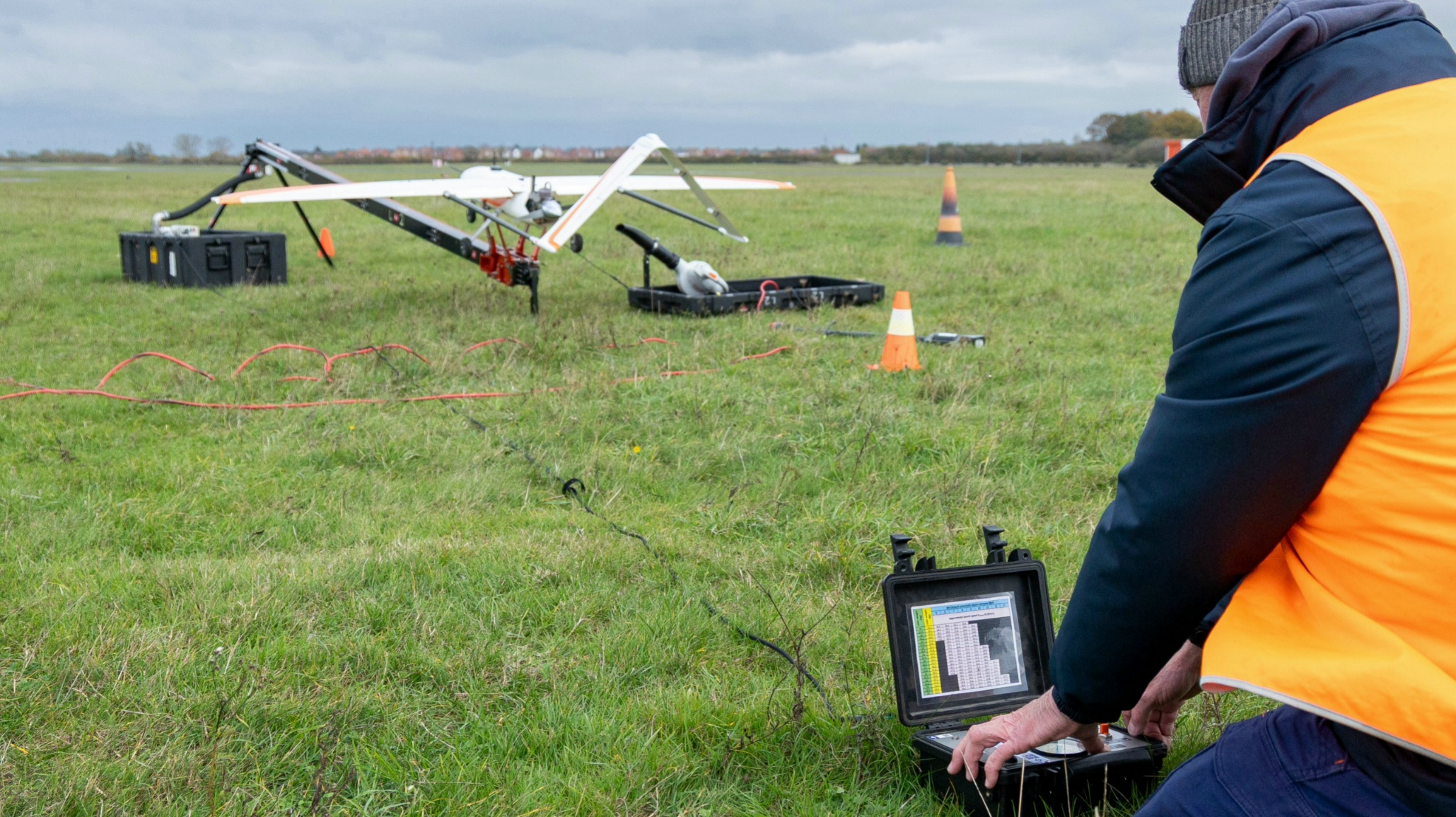
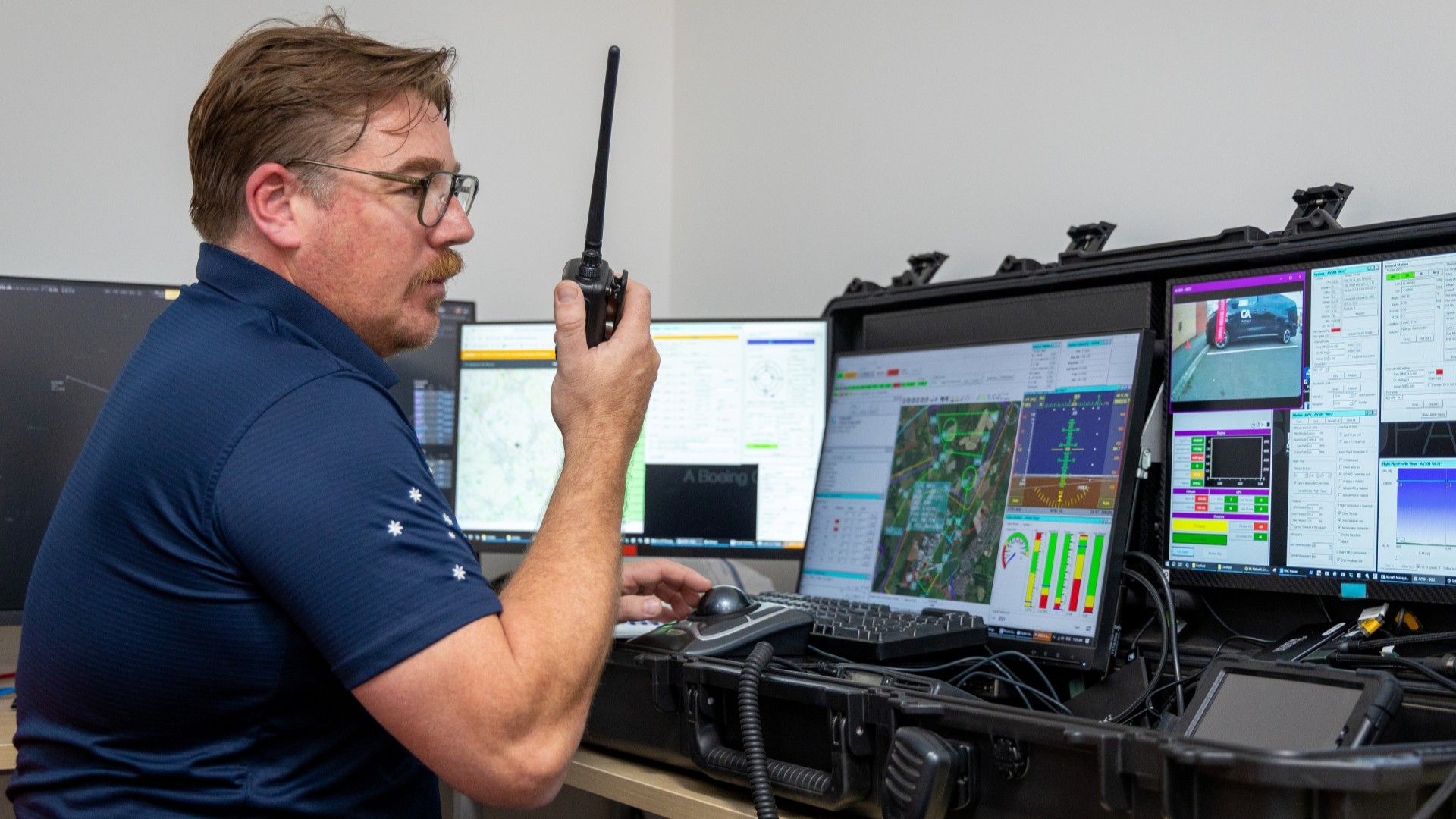
The industry partners conducted a field demonstration at Cranfield Airport to simulate a mixed airspace environment with crewed and uncrewed operations, which was observed by the UK CAA.
As a live virtual demo, the test integrated the uncrewed system into the airport data environment using live traffic feeds and a virtual aircraft to test detect-and-avoid technologies. The demo incorporated a full ground-based setup of the aircraft and ground control station, including all operational procedures and safety checks prior to virtual launch.
The demonstration is the latest step in a multi-year collaboration between Boeing and the UK CAA to help shape policy while it is being developed. The uncrewed system demonstration was part of the division’s Innovation Sandbox project, which supports safe innovation by enabling regulators and industry to better understand emerging technologies early in the policy-development process.
“Collaborations like this give all of us the opportunity to learn together, in a low-risk environment, as technology and policy evolve,” said Todd Sigler, senior director of Global Safety & Regulatory Affairs at Boeing. “Through this partnership, Boeing is helping inform the broader regulatory ecosystem while also gaining valuable insights into future technology deployment.”
The field test demonstration builds upon years of collaboration between the four organizations and demonstrates the value of early engagement between industry and regulators to test new technologies in a structured environment.
“Unlocking the benefits of new aviation technologies requires close collaboration between industry, researchers and regulators," said Ed Clay, Head of Remotely Piloted Aerial System at the UK Civil Aviation Authority. “Through demonstrations like this, we can better understand how uncrewed aircraft can be integrated safely into the wider aviation system, while supporting innovation. The project has provided valuable insights to help inform the development of Detect and Avoid policy and support the safe integration of uncrewed aircraft into UK airspace.”
The activity also establishes a foundation for continued collaboration for the use of advanced aviation technologies.
“Collaborations such as this with Boeing are vital in enabling the safe and harmonised advancement of aerospace innovation,” said Professor Anna Smallwood, Head of Air Transport Management at Cranfield University. “By combining Cranfield’s unique operational capability - including the digital air traffic control capabilities of London Cranfield Airport, with our facilities and academic expertise - we are well positioned to support the development of new aviation technologies and help inform the policies and procedures needed to enable their future adoption. This trial is an important contribution within a wider programme of collaborative work.”